ArtPic: Photo & Video Editor
- 4.5
- Rating
- 10.00M
- Installs
- Free
- Price

 Analysis by App-foxy
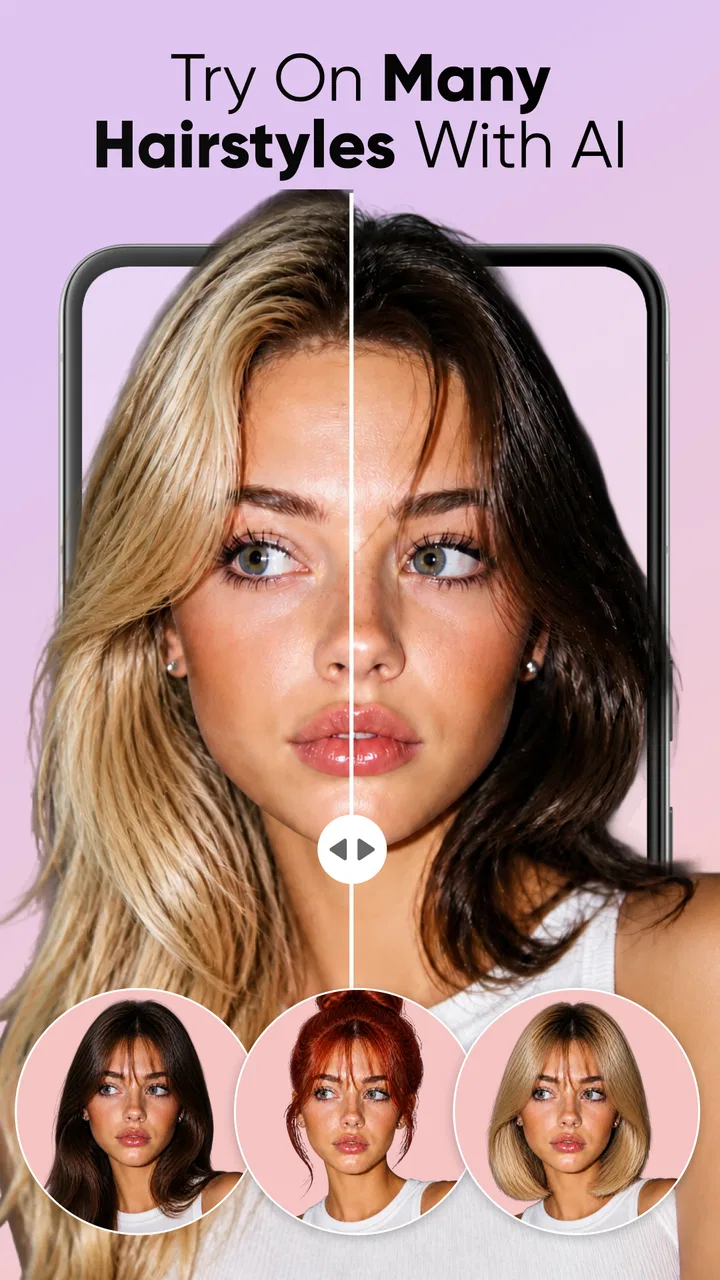
I approached ArtPic: Photo & Video Editor as a quick creative tool rather than a complete replacement for a traditional photo editor. Its focus is clear: changing faces in images and videos, experimenting with AI-generated avatars, and turning ordinary portraits into playful visual edits. That makes it interesting for social posts, private jokes, profile experiments, and short-form content, but the right choice depends on how much control you expect over the final result.
ArtPic is a free art and design app from AdoreApps Media, available for Android devices running Android 7.0 or later. It has reached over five million installs, which tells me that the basic idea has broad appeal. At the same time, its average rating sits at 3.0 from around eighteen thousand ratings, so I would not install it expecting every edit to look polished automatically. My experience with this kind of app is that the fun comes from testing several photos and learning which images suit the tools best.
What to consider before choosing ArtPic
The first decision is whether you want speed or precision. ArtPic is aimed at fast transformations: choose a suitable face, apply an effect, and see the result without building a layered composition from scratch. If you want to retouch skin carefully, adjust individual colors, remove objects with precision, or design a complex poster, a conventional editor will usually give you more control.
You May Also Like

 Blood Strike: 2.5 Anniversary
Blood Strike’s Loadouts Turn Every Drop Into a Tactical Gamble
A close look at Blood Strike’s custom loadouts: how fast access to signature weapons reshapes its battle royale rhythm, rewards preparation, and narrows the gap between fights.

 Pandora - Music & Podcasts
Pandora’s Music Is Easy to Start, but Harder to Recover
Pandora’s strength is its low-effort path from a seed to a station. Its weak spot is how much confidence it asks you to place in connection, setup, and quiet recovery.

 8 Ball Pool
 Is Built on Rivalries, Rematches, and Routine
A close look at the rivalries, rematches, shared routines, and unanswered safety questions that turn a quick pool match into a persistent mobile community.

 Samsung Music
’s Quiet Strength Is Playing What You Already Own
Its reach comes less from spectacle than from dependable access to a personal library. That simplicity is both the app’s strongest retention engine and its ceiling.

 AccuWeather: Weather Radar
AccuWeather Review: A Quick, Clear Forecast for Everyday Decisions
For everyday plans, the best forecast is the one you can understand quickly. AccuWeather makes rain timing, radar, and local conditions easy to act on, with a few trade-offs.

 Hill Climb Racing
Why Hill Climb Racing Still Turns Crashes Into One More Run
A tiny car, a bumpy hill and one more upgrade: Hill Climb Racing keeps resurfacing because its simple chaos makes every near-miss feel personal.
More From Our News Desk
View All News


The second decision is the type of source material you normally use. Face transformation works best when the face is visible, reasonably well lit, and not hidden by a hand, heavy shadow, sunglasses, or an extreme angle. A clear front-facing portrait gives the app more useful information to work with. A crowded group photo or a moving video frame is a more demanding test, and the result may require patience rather than a single tap.
I also considered whether the app is meant for private experimentation or public publishing. For a funny image sent to friends, a slightly artificial result can be part of the appeal. For a professional profile picture, client work, or a brand campaign, I would want predictable editing controls and a workflow that makes revisions easy. ArtPic feels better suited to spontaneous creativity than to work where every facial detail must remain accurate.
The age rating is Teen, so families should treat it as a creative editing tool rather than something designed specifically for young children. That matters because face editing can be used in harmless, humorous ways, but it can also affect how people appear without their permission. I would ask before editing someone else’s face, especially if the result is going to be posted publicly.
How I judge a useful face-editing result
I do not judge an edit only by whether it looks technically smooth. I also look at whether the expression still feels natural, whether the skin tone remains consistent around the face, and whether the hairline, jaw, and neck transition make sense. These details are where quick face effects often reveal their limitations.
One practical tip is to prepare several candidate photos instead of forcing the first image you have. A portrait with even lighting and a little space around the head usually gives you a better starting point than a tightly cropped selfie. If the first attempt looks strange, changing the source image can help more than repeatedly applying the same effect.
For video, I would begin with a short clip that has limited camera movement. A face that turns quickly, passes behind another person, or changes brightness can make an effect look unstable. Testing a small section before committing to a longer clip is a sensible workflow, particularly if you are creating something for a social post and want to avoid spending time on an unusable result.
Where the app is most enjoyable
ArtPic’s strongest quality is immediacy. I can imagine opening it when I want to make a birthday message more personal, create a silly reaction image, or see how a portrait looks in an avatar-inspired style. The app’s appeal is not that it replaces every editing tool; it is that it lowers the barrier between an idea and a shareable experiment.
The face-swap angle is especially useful when the goal is entertainment. A group of friends can create themed images for a private chat, or someone can turn a normal selfie into a playful character concept. The result does not need to be perfectly realistic to work. In fact, an obvious transformation can be more amusing than an edit that tries too hard to look authentic.
The avatar side gives the app a different use case. Instead of only changing one photo, you can explore how your appearance translates into a more stylized visual identity. I would use that for profile ideas, mood boards, or a temporary image on a social account, while keeping a normal portrait available when clarity and recognition matter.
The best results come from treating ArtPic as a visual sketchbook, not a precision retouching suite. That mindset makes the occasional odd edge or exaggerated expression less frustrating. You are exploring possibilities quickly, and the successful result is often the one that has the right mood rather than the one with perfect realism.
A realistic everyday workflow
Imagine that I want to send a friend a humorous birthday greeting during a busy day. I would choose a well-lit portrait of the friend, select an image that supports the joke, and try the transformation before adding any extra decoration. If the face looks stretched, I would switch to another portrait with a more direct angle. After finding a convincing version, I would check the full image at normal size rather than relying only on the preview.
That last check is important. A small preview can hide a rough boundary near the cheek or an unnatural patch around the hair. Looking at the complete result helps me decide whether the image is ready to share or whether it belongs in the experimental folder. I would also avoid presenting a dramatic edit as if it were a real photograph, since context matters when faces have been altered.
For a short video, I would use the same cautious approach: start with a simple clip, review the beginning and end, and watch for moments where the subject turns or leaves the frame. If the effect holds together, I would then consider using it in a larger post. This workflow saves time and avoids assuming that a good still image will automatically produce a good moving result.
What separates it from a normal photo editor
A standard photo editor usually begins with manual adjustments: cropping, exposure, contrast, color, sharpening, and sometimes layers or masks. Those tools are valuable when I already know what I want to fix. ArtPic begins with transformation, which is more useful when I want the app to suggest a new direction for a portrait.
That difference affects the learning curve. Someone who finds traditional editing panels intimidating may enjoy ArtPic because the creative goal is easier to understand. On the other hand, a user who wants to fine-tune a face by moving a mask, correcting a single edge, or controlling every color may feel limited. The two categories can work together: I could create an unusual face concept in ArtPic, then use a conventional editor for cropping and final color adjustments.
Compared with avatar-focused apps, ArtPic appears more flexible for users who want both still-image transformations and video-oriented experimentation in one place. Compared with dedicated face-swap tools, its broader editing identity may appeal to someone who wants stylized results as well as swaps. I would still compare the actual output on my own photos before moving a regular workflow over, because different tools behave very differently with the same face and lighting.
Friction, quality, and expectations
The rating of 3.0 is a useful warning to keep expectations measured. It does not tell me that every experience will be poor, but it does suggest that reliability and output quality may vary from one device, image, or effect to another. I would treat the first few attempts as a trial period and avoid paying for extras until I know the results are worthwhile for my own photos.
The app is free to install, but it includes in-app purchases ranging from $2.99 to $129.99 per item. That is a wide range, so I would pay close attention to the purchase screen and the exact item being offered. A free download is helpful for testing the concept, but it should not be confused with unlimited access to every creative option.
My advice is to decide on a personal spending limit before exploring paid tools. If I only need one amusing image, paying may not make sense. If ArtPic becomes part of a regular creative routine, I would still compare the cost with the value I receive and check whether a free alternative already covers the edits I actually use. The most expensive option is not automatically the best fit for a casual project.
Version 1.0.31 indicates that the app is being delivered in a current, identifiable release rather than an unnamed early build. I would still keep the app updated through the normal store process, particularly when working with video or newer phone cameras. Updates can affect compatibility and output behavior, so I would recheck an important workflow after an update instead of assuming every result will remain identical.
When another category is the better choice
I would skip ArtPic if my main goal is professional portrait retouching. A manual editor is a better match when I need controlled skin correction, accurate color work, selective blur, or a repeatable look across many photos. Those tasks reward precision, and a transformation-first app can introduce changes I did not intend.
I would also look elsewhere if I need dependable design tools for flyers, presentations, product images, or layered social graphics. A design-focused editor with templates, text controls, and alignment tools would make more sense for those jobs. ArtPic can supply an interesting portrait element, but it is not the category I would choose for constructing an entire polished layout.
For frequent video production, I would prefer a dedicated video editor when trimming, arranging clips, adding sound, controlling transitions, and reviewing a timeline are central to the project. ArtPic may be useful for a face effect within that workflow, but it is unlikely to replace the broader responsibilities of a full video-editing environment.
Privacy-conscious users should also think carefully before importing personal portraits or other people’s faces into any cloud-connected creative service. I would read the app’s current permissions and privacy information before using sensitive images, and I would avoid uploading identity documents, private family photographs, or anything I would not want processed by an online tool. That is good practice for face-editing apps in general, and especially important when experimentation is the main reason for installing one.
The cost of changing your workflow
Switching to ArtPic is easy if I only want occasional effects. I can keep my normal photo editor for serious work and open this app when I want a fast face transformation or avatar idea. There is little reason to abandon a familiar editing setup if ArtPic serves a separate purpose.
The cost becomes higher when I expect it to replace several tools. I may need another app for detailed corrections, another for layout design, and another for full video editing. Moving between them can create duplicate exports, reduced image quality, and extra time checking whether a face still looks natural after multiple rounds of processing.
A sensible compromise is to use the original photo as the master file, create an ArtPic version for experimentation, and only make final adjustments on a copy. I would keep the untouched original separate from exported results and use clear filenames or folders. This is a small habit, but it prevents an amusing experiment from becoming the only version of an important portrait.
Another useful trade-off is speed versus repeatability. ArtPic can help me discover an idea quickly, but if I need the same visual treatment across a whole collection, manual controls or a dedicated batch workflow may save time later. I would test three or four representative images before deciding that the app is suitable for a larger project.
Who I would recommend it to
I would recommend ArtPic to casual creators who enjoy face effects, want to experiment with avatar-style images, or need a quick way to make a personal social post more playful. It is also a reasonable option for someone who does not want to learn a complicated editing interface before trying creative transformations.
I would be more cautious with teenagers and younger users. The Teen rating is a reminder to use judgment when editing real people, sharing altered images, or spending money inside the app. A parent or guardian may want to discuss consent and purchases before allowing regular use, especially when the app is being used with friends’ photographs.
I would not make it my first recommendation for photographers, professional creators, or anyone who needs consistent, technically controlled results. Those users are likely to value manual tools, predictable exports, and a more structured editing workflow over quick novelty. ArtPic can still be a source of ideas, but it should remain one part of a broader toolkit.
My final recommendation is to try the free version with a small set of ordinary portraits and one short video. Use clear, front-facing images, inspect the edges at full size, and decide whether the results are amusing or useful enough to justify any optional purchase. If your priority is fast experimentation, ArtPic has a clear place on your phone. If your priority is precision, repeatability, or professional finishing, keep a traditional editor as your main tool and treat this app as a creative side option.
In short, ArtPic: Photo & Video Editor is most convincing when I use it for quick visual ideas rather than demanding it behave like a complete studio. Its free entry point, face-focused creativity, and avatar experiments make it approachable, while the middling average rating, variable results, and broad in-app purchase range call for a measured approach. I would install it for fun and inspiration, but I would test it carefully before making it part of an important publishing workflow.
FAQs for ArtPic: Photo & Video Editor
01What features does ArtPic: Photo & Video Editor offer?
ArtPic: Photo & Video Editor provides a comprehensive suite of tools for both photo and video editing. Users can access filters, stickers, and effects to enhance their media. The app also includes advanced features like background removal, color correction, and layer adjustments to cater to both beginners and professionals.
02Is ArtPic free to use, or does it have in-app purchases?
ArtPic offers a freemium model, allowing users to access basic features for free. However, to unlock advanced tools and remove ads, users will need to purchase a subscription. The app offers both monthly and annual plans, providing flexibility depending on user needs and the level of access desired.
03Does ArtPic support high-resolution exports?
Yes, ArtPic supports high-resolution exports, ensuring that edited photos and videos maintain their quality. This feature is particularly beneficial for professional use where image clarity is crucial. Users can choose from various resolution options to suit their specific requirements, whether for social media or print.
04Can ArtPic be used offline?
ArtPic can be used offline for most of its editing features, allowing users to work on their projects without an internet connection. However, certain functionalities, such as downloading new filters or accessing cloud storage, will require an internet connection. This makes it versatile for use in various environments.
05Is ArtPic available on both Android and iOS devices?
ArtPic is available for both Android and iOS users, ensuring a wide accessibility across different devices. The app is optimized for both platforms, providing a seamless experience regardless of the device being used. Regular updates are released to enhance functionality and introduce new features.
Pros
- Intuitive interface for quick edits.
- Wide range of filters and effects.
- Supports high-resolution exports.
- Seamless social media sharing.
- Regular updates with new features.
Cons
- In-app purchases can be expensive.
- Occasional lag on older devices.
- Limited free version features.
- Some tools have a learning curve.
- No offline editing capabilities.

ArtPic: Photo & Video Editor
Gallery